
Why Choose Handmade Wooden Toys Over Plastic Alternatives?
In a world increasingly dominated by plastic, the choice of toys for children can feel overwhelming. Parents often find themselves at a crossroads, deciding between the colorful allure of plastic toys and the timeless charm of handmade wooden toys. While both options have their merits, this post will explore the compelling reasons to choose handmade wooden toys over their plastic counterparts.
The Environmental Impact of Toys
One of the most pressing concerns today is the environmental impact of our choices. Plastic toys are often made from non-biodegradable materials that contribute to pollution and landfill waste. In contrast, handmade wooden toys are typically crafted from sustainable sources, making them a more eco-friendly option.
Sustainability of Materials
Renewable Resources: Many wooden toys are made from trees that are responsibly harvested. This means that for every tree cut down, another is planted, ensuring a continuous supply of materials.
Biodegradability: Unlike plastic, wood is a natural material that decomposes over time. This means that when a wooden toy reaches the end of its life, it won’t linger in a landfill for centuries.
Production Practices
Handmade wooden toys often come from small-scale artisans who prioritize ethical production practices. This contrasts sharply with mass-produced plastic toys, which are frequently manufactured in factories with questionable labor practices. Supporting artisans not only helps the environment but also promotes fair labor conditions.
Safety Concerns
When it comes to children's toys, safety is paramount. Many plastic toys contain harmful chemicals, such as BPA and phthalates, which can pose health risks to children.
Non-Toxic Materials
Handmade wooden toys are typically finished with non-toxic paints and sealants, making them a safer choice for young children. Parents can feel confident that their children are playing with toys that are free from harmful substances.
Durability and Longevity
Wooden toys are often more durable than plastic alternatives. They can withstand rough play and last for generations, reducing the need for frequent replacements. This durability not only saves money in the long run but also minimizes waste.
Educational Value
Handmade wooden toys often encourage imaginative play and creativity. Unlike many plastic toys that come with specific functions, wooden toys can be used in various ways, allowing children to explore their creativity.
Open-Ended Play
Versatility: Wooden blocks, for example, can be used to build anything from castles to vehicles, fostering creativity and problem-solving skills.
Sensory Experience: The texture and weight of wooden toys provide a different sensory experience compared to plastic, enhancing a child's tactile development.
Encouraging Social Interaction
Many wooden toys are designed for group play, encouraging children to interact with one another. This social aspect is crucial for developing communication skills and teamwork.
Aesthetic Appeal
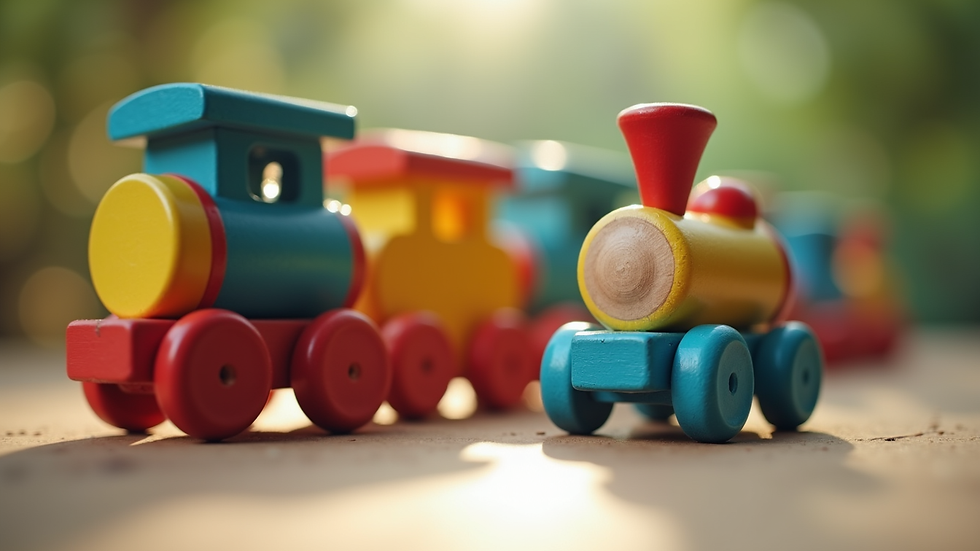
There is an undeniable charm to handmade wooden toys. Their natural beauty and craftsmanship can enhance a child's play environment, making it more inviting and warm.
Timeless Design
Wooden toys often feature classic designs that stand the test of time. Unlike plastic toys that can quickly become outdated, wooden toys maintain their appeal across generations.
Aesthetic Value in the Home
Parents often appreciate the aesthetic value of wooden toys, which can blend seamlessly into home decor. They can be displayed as decorative pieces when not in use, adding to the overall ambiance of a child's room.
Supporting Local Artisans
Choosing handmade wooden toys often means supporting local artisans and small businesses. This choice not only benefits the economy but also fosters a sense of community.
Economic Impact
By purchasing from local artisans, parents contribute to the local economy, helping to sustain small businesses and promote craftsmanship. This support can lead to a more vibrant and diverse marketplace.
Unique and Personalized Options
Handmade wooden toys often come with the option for customization. Parents can choose specific colors, designs, or even have the child's name engraved on the toy, making it a unique gift that holds sentimental value.
Conclusion
The choice between handmade wooden toys and plastic alternatives is more than just a matter of preference; it reflects our values regarding sustainability, safety, education, and community. By opting for handmade wooden toys, parents can provide their children with safe, durable, and imaginative play experiences while also supporting ethical practices and reducing environmental impact.
As you consider your next toy purchase, think about the long-term benefits of choosing wooden toys. Not only will you be investing in your child's development, but you will also be making a positive impact on the world around you. Embrace the charm and value of handmade wooden toys, and watch as they become cherished items in your child's life.

Comments